الأربعاء، 10 ديسمبر 2014

10/12/2014

التعاون مع لجنة تقصي الحقائق: من أجل توثيق الانتهاكات، زيادة الضغوط على النظام ومنع الإفلات من العقاب 


شبكة رصد الاخباريه اريتريا : ياسين محمد عبد الله

أصدر مجلس حقوق الإنسان في دورته الــ 26 في يونيو 2014 قراراً بتكوين لجنة لتقصي الحقائق حول انتهاكات حقوق الإنسان في إريتريا. ستقدم اللجنة تقريراً شفوياً للمجلس في دورته الــ 28 في مارس 2015 وللجمعية العامة للأمم المتحدة في دورتها الــ 70 في أكتوبر القادم.

كما ستقدم اللجنة تقريراً مكتوباً إلى مجلس حقوق الإنسان في دورته الــ 29 في يونيو 2015. وقد قام رئيس مجلس حقوق الإنسان بتاريخ 26 سبتمبر 2014 بتعيين رئيس وأعضاء اللجنة من: البروفسير الأسترالي مايك سميث وهو مساعد سابق للأمين العام للأمم المتحدة وأستاذ لمكافحة الإرهاب، المحامية والمقررة الخاصة لحقوق الإنسان في إريتريا من مواريشيوس شيلا كيثاروث والغاني البروفسير فكيتور دانكوا أستاذ القانون الدولي. أعلنت اللجنة بتاريخ 20 نوفمبر موجهات عملها والكيفية التي ستتلقى بها المعلومات حول انتهاكات حقوق الإنسان من الأفراد، الجماعات والمنظمات. حسب إعلان اللجنة فهي ستتلقى المعلومات عن انتهاكات حقوق الإنسان حتى منتصف ليل 31 يناير 2015. بالنسبة للرسائل التي ترسل بالإنجليزية يمكن أن تكون في حدود الــ 10 صفحات بينما يمكن الكتابة بالعربية أو التقرينية لكن في حدود الــ 5 صفحات فقط وذلك غالباً بسبب الحاجة لترجمة هذه الرسائل إلى الإنجليزية. يجب على الشخص الذي يكتب إلى اللجنة أن يضع رقم هاتفه حتى تتصل به اللجنة إذا أرادت الاستفسار أو المزيد من المعلومات. وقد تعهدت اللجنة بالمحافظ على سرية المعلومات وهوية الشخص الذي أرسلها إذا طلب الشخص ذلك في رسالته.
أهمية التعاون مع اللجنة:
يشكل مجلس حقوق الإنسان لجان تقصي حقائق في انتهاكات حقوق الإنسان في حالات نادرة ترتبط بجسامة الانتهاكات وبرفض حكومة البلد المعني التعاون مع الآليات الدولية المعنية بمراقبة وتعزيز حقوق الإنسان. عمل هذه اللجنة مهم جداً بالنسبة لتحسين وضع حقوق الإنسان في إريتريا ولإيقاف الانتهاكات. سيرفع تقرير اللجنة، الذي ستشكل المعلومات المقدمة من الأفراد والمنظمات جزأً أسياسياً منه- لكل هيئات الأمم المتحدة المعنية بحقوق الإنسان وفي حال رفض النظام التعاون مع اللجنة واتضح من التقرير إن انتهاكات حقوق الإنسان في إريتريا ترقى لمستوى الجرائم ضد الإنسانية يمكن للجنة الثالثة المعنية بحقوق الإنسان في الجمعية العامة للأمم المتحدة أن توصي - كما فعلت في حالة كوريا الشمالية- مجلس الأمن الدولي بتحويل الملف الإريتري إلى الجنائية الدولية متضمناً أسماء الأشخاص المسؤولين عن هذه الانتهاكات.
وسيكون توثيق اللجنة ضرورياً أيضاً وطنياً حتى لا تتكرر هذه الانتهاكات في المستقبل كما يمكن استخدامه للجوء للقضاء الوطني، الإقليمي والدولي.
إن المسؤولية الوطنية والإنسانية تحتم علينا تقديم المعلومات التي بحوزتنا لهذه اللجنة وتشجيع الآخرين ومساعدتهم على فعل ذلك.
ما هي الانتهاكات التي يمكن أن نكتب عنها إلى اللجنة:
اللجنة معنية بالتقصي في أية انتهاكات لحقوق إنسان وقعت في إريتريا منذ نيل البلاد استقلالها في مايو 1993. وكمثال على الانتهاكات التي ارتكبها النظام: منع المواطنين من حقهم في حكم أنفسهم، تقييد الحريات العامة والصحفية، الاعتقال التعسفي، الإخفاء القسري، التعذيب، الاحتجاز في ظروف قاسية، القتل خارج القانون، الحجز في الخدمة الوطنية لأكثر من الفترة القانونية والتي تبلغ 18 شهراً، الإجبار على المشاركة في المليشيات المسلحة، المنع من السفر، الاغتصاب، تجنيد الأطفال والقيود المفروضة على الحريات الدينية.
أكتبوا إلى اللجنة وساعدوا من لديهم معلومات بالكتابة إليها على البريد الإلكتروني: coieritrea@ohchr.org أو على البريد العادي:
Commission of Inquiry on Human Rights in Eritrea
UNOG-OHCHR
8-14 Rue de la Paix
CH-1211 Geneva 10
Switzerland
10/12/2014

استفتاء في سويسرا يتساءل : لماذا لا تستقبل الدول العربية الغنية اللاجئين العرب


شبكة رصد الاخباريه اريتريا

أجرت صحيفة سويسرية استفتاء جماهيريا موضوعه سؤال ما إذا كانوا يؤيدون الهجرة إلى بلادهم لأناس تشهد بلادهم أوضاع إنسانية طاردة ؟

كان الاستفتاء بتاريخ 30 / 11 / 2014م وكانت خلاصته أن نسبة 25،91% يرفضون هجرة اللاجئين إلى سويسرا بحجة أن هناك دولا عربية غنية بإمكانها استقبال اللاجئين العرب فهم أولى بدعمهم وإيواءهم وتساءلو : لماذا دولة الإمارات العربية ودول الخليج الغنية لا تفتح أبوابها للاجئين العرب ؟ بينما نسبة 74،09% ممن تم استطلاع رأيهم رحبوا باللاجئين انتصارا للقيم ا لإنسانية النبيلة وقالوا : نحن أحق من الدول العربية الغنية بشرف خدمة المحتاجين الهاربين اللائذين بنا من جحيم بلادهم .

النتيجة كانت إيجابية جدا لصالح استقبال المهاجرين إلى دولة سويسرا الأمر الذي استقبله المهاجرون الأرتريون بسعادة بالغة وذلك لأن دولة سويسرا تحترم رأي شعبها والقيم التي تحكم البلاد حسب تحليلهم قراءة إيجابية للواقع

السبت، 6 ديسمبر 2014

06/12/2014

حكومة أسياس تقطع شريان الحياة العلمية عن أرتريا


شبكة رصد الاخباريه اريتريا :إذاعة المنتدى

أصدرت حكومة أسمرا قرارا من خلال مختبر الصحة الوطنية في أسمرا ،بقطع العلاقات طويلة الأمد مع كلية طب جامعة واشنطن ، متخلية بذلك عن العديد من المكاسب التي حققتها البلاد بمجال الصحة العامة، وقاطعة بذلك العلاقات والقنوات التي جسرها الوزير السابق صالح مكي، بحكم علاقاته الطيبة مع الجامعات

الأمريكية ،والذي توفي في ظروف غامضة. وفي هذا الشأن يقول المناضل الأريتري /أسفاو جبر كدان ،والذي يترأس في هذه الآونة برنامج الصحة العامة بجامعة تورو بكالفورنيا، أن السنوات الأولي الإستقلال شهدت إريتريا تقدما إيجابيات في مجال الصحة أما الآن لقد إتخذ منحنى التقدم العلمي في أريتريا إتجاها معاكسا ،فجامعة واشنطن بسانت لويس كانت توفر كل شيئ الأطباء والخبرة والكيماويات والمواد، والآن إنتهى كل شيئ . ومن جهة أخرى يؤكد مؤشر الأمم المتحدة للتنمية البشرية بأن إريتريا تحتل المراتب الأخيرة في التنمية البشرية . المراقبون أشاروا من جهتهم بأن حكومة أسياس، إتخذت قرار قطع شريان الحياة العلمية عن اريتريا، ردا علي الإنتقادات المتزايدة للامم المتحدة والولايات المتحدة الأمريكية لسجل حقوق الإنسان بإريتريا، وبهذا القرار غير المسؤول أصبحت كل الجهود المخلصة والمضنية التي بذلها العديد من أفراد الشعب الأرتري بشأن الأرتقاء بالحالة العلمية والصحية بالبلاد علي المحك . وقد صرح العديد من الخبراء وعلي رأسهم جون أبينك من جامعة أمستردام الحرة بقوله : أن إجراءات الحكومة الأريترية المتمثلة في إيقاف صور التعاون العلمي كافة ، ستكون لها آثار سلبية واسعة النطاق علي نظام التعليم بإرتريا، وأردف : أن أريتريا هي إحدى الدول القليلة في أفريقيا التي فشلت في إحتضان الحرية
06/12/2014

الرئيس الإرتري في الدوحة لبحث العلاقات بين البلدين

وصل إلى الدوحة صباح اليوم السبت، الرئيس الإرتري أسياس أفورقي، وذلك لبحث العلاقات الثنائية والاستراتيجية بين البلدين.
وكان في استقبال أفورقي والوفد المرافق له لدى وصوله مطار حمد الدولي، الدكتور حمد بن عبد العزيز الكواري وزير الثقافة والفنون والتراث، وعلي إبراهيم أحمد سفير دولة إرتريا لدى الدولة.
وتأتي أهمية الزيارة؛ كون دولة قطر واحدة من أهم الدول الصديقة والداعمة لإرتريا، فضلاً عن وجود علاقات استراتيجية معها، بدأت منذ مطلع تسعينات القرن الماضي، كما أن أمير قطر الشيخ حمد بن خليفة آل ثاني يعتبر أول أمير خليجي زار إرتريا للتضامن معها في أغسطس/ آب عام 2000، وذلك بعد انتهاء الحرب الإرترية الإثيوبية مباشرة.
تشكل إرتريا عمقاً استراتيجياً مهماً لكل الدول المطلة على البحر الأحمر، باعتبارها البوابة الجنوبية المشرفة على مضيق باب المندب بشق قناة السويس عام 1869، التي جعلت من البحر الأحمر أحد أهم الطرقات البحرية في العالم، بعد أن كان معزولاً وبعيداً لفترة طويلة من الزمن، وتحولت الزاوية الشمالية الشرقية من ملجأ معزول إلى سوق كبيرة تشكل مصدر ثروة وقوة.
وإرتريا هي دولة أفريقية عاصمتها أسمرة، يتحدث الكثير من سكانها العربية، وتأتي أهمية موقعها استراتيجياً للجزيرة العربية، كون ساحلها يمتد الجزء الشمالي الشرقي منه على البحر الأحمر، مباشرة في مواجهة سواحل السعودية واليمن.
وتشكل إرتريا منذ قديم الزمان حلقة اتصال تجاري وحضاري بين أفريقيا وشبه الجزيرة العربية.

الأربعاء، 3 ديسمبر 2014

03/12/2014

German Police Arrest 11 Eritrean Human Traffickers

smugglers3
German Police Arrest 11 Human Trafficking Gangs
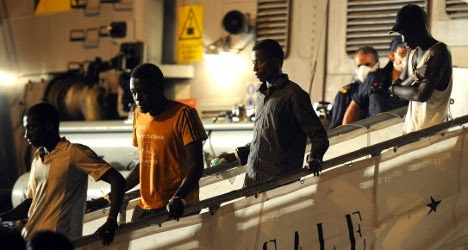
International investigators have arrested an alleged smuggling gang. The eleven men to be responsible for the deaths of about 300 boat people. Police also shows the ruthlessness of the gang ring.
Tilmann Kleinjung, ARD Radio Studio Rome | www.tagesschau.de | December 3, 2014
The men are from Eritrea and should be part of a major smuggling ring brings the refugees from Africa to Europe. Half of all sailing from Libyan coasts to Italy organized by criminal network, not always with a happy ending: the eleven arrested smugglers are also responsible for the death of about 300 boat people, accused of two accidents in May and June last year before the Libyan migrant drowning.
The smuggling activity is not only to transport in overloaded, barely ocean-going vessels. The traffickers are active in various African and European countries and organize according to the police and the further transport of refugees after landing in Italy.
A suspect – apparently a leading figure in the smuggling ring – was arrested in Germany. He shall be responsible under the Federal Police for a crossing where in June this year killed up to 244 Africans.
Another discovery of police shows the ruthlessness of smuggling ring: In a shed at Catania in Sicily nine Somalis were found, eight of them were minors. They were detained there until relatives have money transferred for further transport. 
- See more at: http://eastafro.com/Post/2014/12/03/german-police-arrest-11-eritrean-human-traffickers/#sthash.lOMqt0rG.dpuf
03/12/2014

Italy police bust Eritrean people trafficking ring


Italian police said on Wednesday they had busted an Eritrean trafficking ring accused of smuggling migrants into Europe on perilous Mediterranean boat crossings, including one in which 244 people died.


Police arrested ten Eritreans after an investigation uncovered "existence of a transnational organization, operating in Italy, Libya, Eritrea, and other North-African states," according to a statement released by police in Catania, Sicily, where the investigation was launched in May.
The group organized boat departures from Libya to Italy, with "footsoldiers" in the Lazio and Lombardy regions who provided "logistical support to migrants and smugglers...to help them from Sicily to Italy, then on to other countries in Europe," Antontio Salvago of Catania police told AFP.
Nine of those taken into custody were arrested on November 25th in Italy, while the tenth - named as Measho Tesfamariam and accused of being one of the ringleaders - was arrested on Tuesday in Germany.
The group is accused of organizing 23 trips from Libya to Italy between May and September, while Tesfamariam is alleged to have personally overseen in Libya the departure of an overcrowded vessel which sank off the North African coast between June 27th and 28th, killing all 224 people on board.
During a raid in Catania, police also arrested an 11th Eritrean accused of harbouring nine Somalians, eight of whom were minors, in a small locked room. 

الثلاثاء، 2 ديسمبر 2014

02/12/2014


The Eritrean regime is very happy with Denmark


The Eritrean regime is very happy with Denmark
"Eritreans don’t want to leave their country. They want to study, work and help their family." Photo:David Stanlley/Flickr


Published: 02 Dec 2014 16:40 GMT+01:00
  • )

“This is the answer we want – we just need someone to do the ‘research’ to say it”, seems the terms of reference of the anonymous researchers of the Danish Immigration Service (DIS), who last week published a very controversial report under the title: “Eritrea – Drivers and Root Causes of Emigration, National Service and the Possibility of Return”. 
 
The anonymous researchers spent two weeks in Eritrea and spoke with 12 anonymous sources. Nine of these are international organisations, of which five are Western embassies.
 
The remaining three sources are one “regional NGO based in Asmara”, a representative of the Eritrean Foreign Ministry and a “well-known Eritrean-intellectual”; all of them anonymous, which makes it extremely difficult to check the sources. 
 
 
Seemingly it was not important for the researchers to talk to the Eritrean people and their religious leaders, who recently published critical letters about the dire situation in the country and the mass exodus of the youth.  All serious Danish and European institutions should reject this unworthy report and demand a parliamentary hearing on the Eritrean issue and how this research was conducted. The Danish people and the Eritrean refugees deserve it. 
 
The researchers, whom haven’t returned the numerous messages I have left at DIS, also visited Ethiopia, where they spoke with eight sources, of which all but one are anonymous. Outside Africa they spoke only with one person, Professor Gaim Kibreab, an expert on refugees and Eritrea from London South Bank University, who after reading the final report disassociated himself immediately and denounced the report as inaccurate. Unlike the DIS-researchers, Kibreab responded immediately: “the report is cherry-picking with Danish interest” to bar Eritrean refugees from entering Europe.   
 
 
Serious research builds, albeit critically, on other previous articles, reports, books and audio-visual sources. The DIS report disqualifies all reports of international institutions like those of the UN High Commissioner for Human Rights, UN High Commissioner for Refugees, Amnesty International and Human Rights Watch – not to mention the reports of journalists, academicians and various governments – as not trustworthy.
 
The report discredits all aforementioned reports including the stories of refugees who arrived in Europe/Denmark with scars of oppression and persecution on their body and psyche as “not relevant for the Danish caseload”. The report fails to explain what is relevant for the “Danish caseload”, but it is obvious from the tone and substance of the document that the Danish government wants to wriggle out of the 1951 Geneva Convention, which defines a refugee as someone who "owing to a well-founded fear of being persecuted for reasons of race, religion, nationality, membership of a particular social group or political opinion, is outside the country of his nationality, and is unable to or, owing to such fear, is unwilling to avail himself of the protection of that country or return there because there is a fear of persecution.” 
 
The DIS researchers seem to be overwhelmed by the hospitality availed to them by the totalitarian Eritrean regime, which has no functioning parliament, no constitution, no independent judiciary and no elections for the last 23 years. The interest of DIS to bar Eritrean refugees from its territory and the Eritrean regime’s interest for propaganda conflated. No wonder the Eritrean regime and its media outlets received the report with jubilation. The Danish report is now being used to vindicate the Eritrean regime and to discredit the UN Special Rapporteur on human rights violations in Eritrea and the UN Commission of Enquiry on human rights violations in Eritrea. 
 
Serious researchers and journalists who spend two weeks in a country like Eritrea don’t only talk to anonymous sources from the Eritrean government and Western embassies – they also approach taxi drivers, speak to people in confidential places and hold talks with more than one “well-known Eritrean intellectual”. They can’t talk with independent journalists, however, because there are none left in Eritrea after they were either arrested or exiled. 
 
The researchers have the audacity to talk about regional NGOs in the country without mentioning the name of either the organisation or the spokesperson. The Eritrean regime has its own NGOs like the National Union of Eritrean Women (NUEW), the National Union of Eritrean Youth (NUEY) and The Peacebuilding Centre for the Horn of Africa (PCHA) – all are set up by the regime to deceive the international community. The researchers write without any criticism what one of these “governmental NGOs” told them : “A regional NGO based in Asmara emphasised that ‘Sawa is not a military camp but is basically the final two years of high school. There are academic classes, some physical training, marching but no weapons training as such’.” Serious researchers would confront this statement with government films of Sawa inaugurations, easily found online.
 
The Danish parliament should summon the responsible minister who is responsible for this flimsy and harmful report and should organise a hearing where all stakeholders, including Professor Kibreab and representatives of the Eritrean government are present. Facts should be unearthed in a transparent exchange of information from various sources, so that Denmark can remain a heaven for genuine refugees. The Danish and other European government should not target the refugees who went through a hell to reach a save heaven. They should develop a common policy that helps to change the situation in Eritrea. Eritreans are in search of liberty. They don’t want to leave their country. They want to study, work and help their family. 
 
The Eritrean regime has been profiting from the exodus because Eritrean refugees have been sending remittances to their families. Eritrean regime agents have also been visiting refugee camps to convince Eritrean refugees to sign “apology letters” at the Eritrean Embassies and pay a monthly two percent fee from their income. Those who comply with this can travel to Eritrea even if they don’t have, in this case, the Danish passport. With the DIS report, the Danish government is allowing the Eritrean regime to not only control the lives of Eritreans inside Eritrea, but also here in Denmark and other parts of Europe.

المغيبين واالمختطفين فى سجون العصابة الحاكمة فى ارتريا